
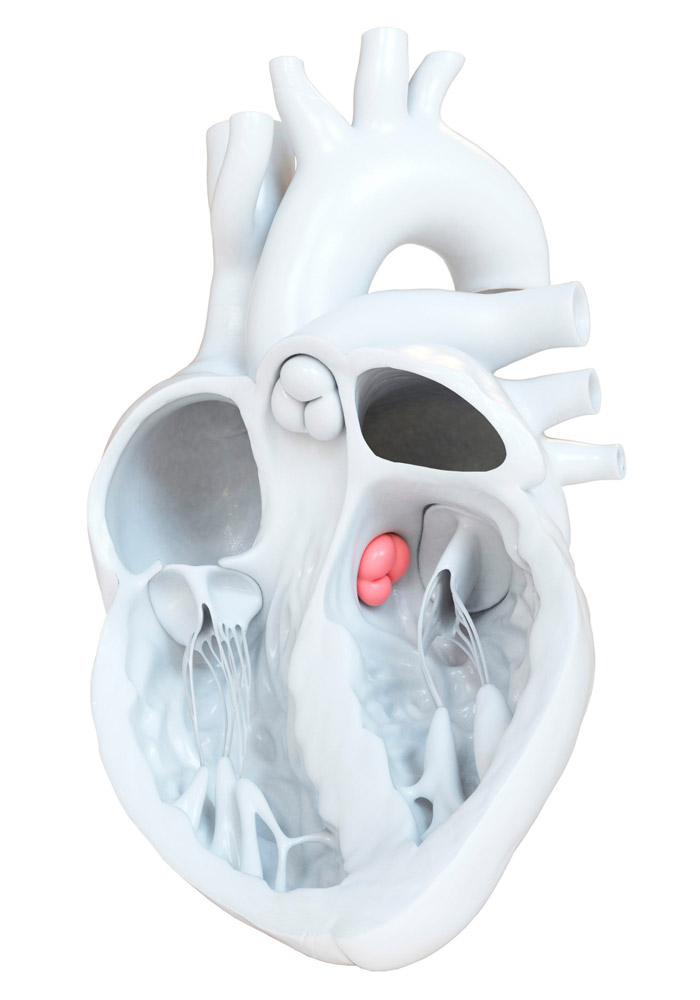
Aortic regurgitation
The aortic valve connects the heart to the systemic circulation. Specifically, it connects the left ventricle to the aorta, the largest artery carrying oxygenated blood throughout the body…
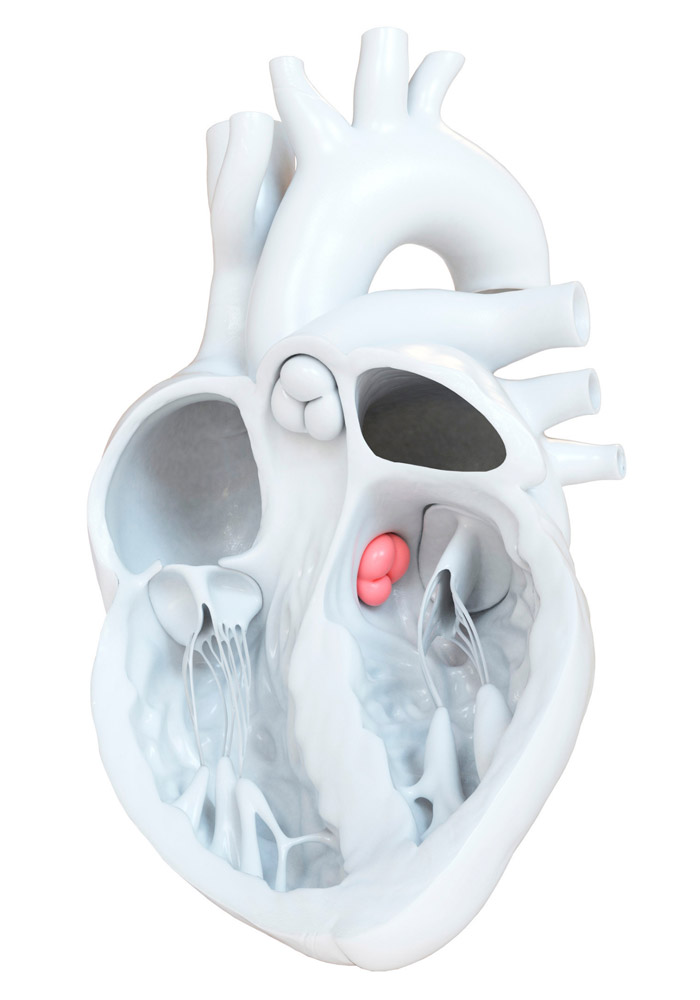
Aortic stenosis
The aortic valve connects the left ventricle to the ascending aorta, the body’s central artery. The normal valve opening has an area of 3–4 cm²; a smaller opening is called aortic valve stenosis, or aortic stenosis…
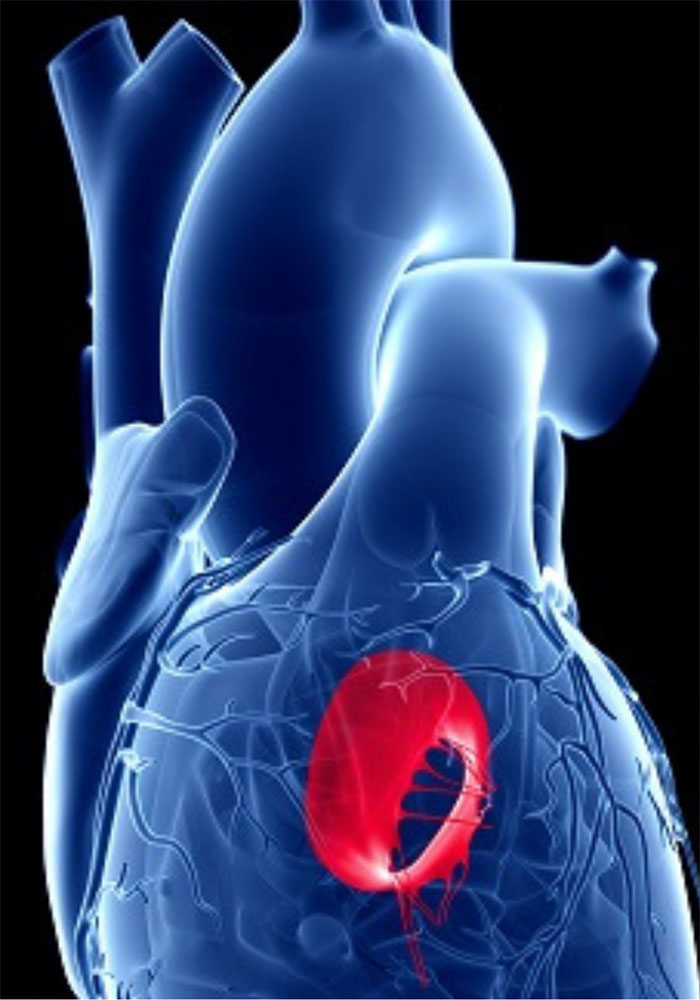
Mitral regurgitation
The mitral valve connects the left atrium to the left ventricle. It has a complex anatomical structure: in addition to its two leaflets, the mitral valve apparatus includes the papillary muscles and chordae tendineae…

Mitral valve prolapse
The mitral valve connects the left atrium to the left ventricle. The mitral valve apparatus consists of the two leaflets, the papillary muscles and the chordae tendineae…

Tricuspid valve disease
The tricuspid valve plays an important role in maintaining the correct flow of blood between the right atrium and the right ventricle…