
Written by Dimitrios Vrachatis, Specialist Cardiologist, PhD, National and Kapodistrian University of Athens.
What is diabetes mellitus?
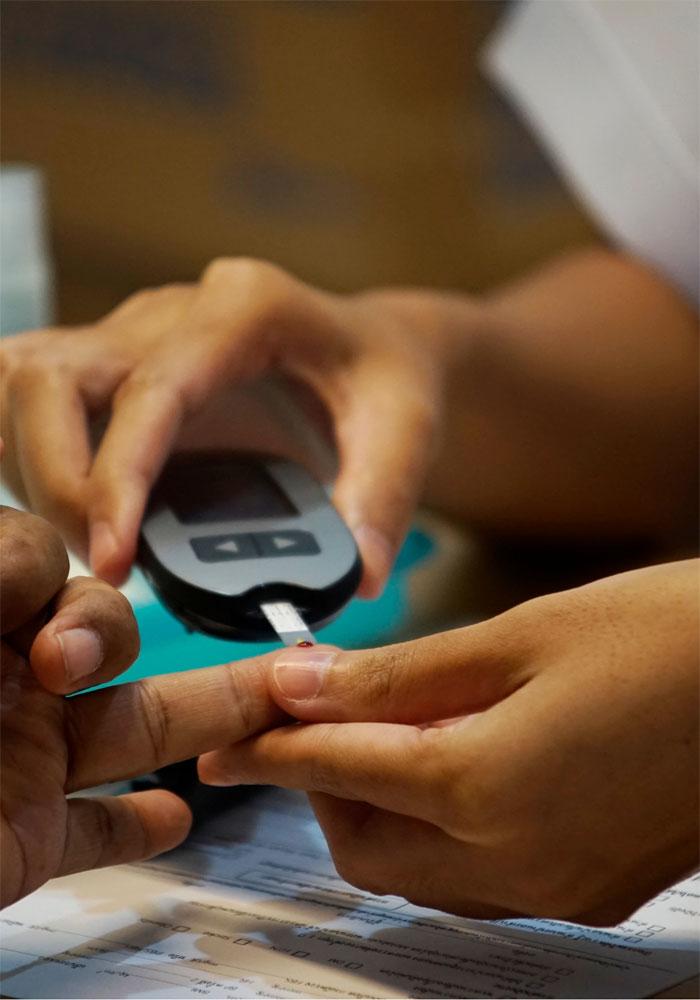
Diabetes is a disorder of carbohydrate metabolism in which the body cannot adequately regulate blood glucose, causing it to rise. Fat and protein metabolism are also affected. A central problem is insufficient insulin, a pancreatic hormone, either because too little is produced or because the pancreas cannot meet the body’s needs.
What are the main types?
The main types differ in how insulin production or action is affected:
- Type 1: an autoimmune process destroys insulin-producing cells. It usually develops in younger people, including children. Insulin is absent and must be supplied through treatment.
- Type 2: insulin resistance means the amount produced cannot meet the body’s needs, even if initially normal or slightly elevated. Treatment includes oral diabetes medicines, with insulin required at more advanced stages. This is the more common type and has a hereditary component.
- Gestational diabetes: develops during pregnancy and is managed through dietary adjustment and insulin.
What are the symptoms?
Symptoms vary with the degree of blood glucose elevation. Some people with type 2 diabetes have none. Possible symptoms include:
- Increased thirst
- Frequent urination
- Increased hunger
- Substantial, unexplained weight loss
- Fatigue
- Vision changes
- Frequent infections
- Slow-healing wounds
- Urinary tract infections
Diagnosis
Early diagnosis reduces the risk of complications and improves quality of life. Blood tests include:
- Fasting plasma glucose
- Post-meal glucose
- Oral glucose tolerance testing
- Glycated haemoglobin, HbA1c
Treatment
Dietary changes, exercise and medication tailored to individual needs are central. Insulin is essential in type 1 diabetes. Type 2 treatment starts with oral medicines; insulin is needed if these and lifestyle changes do not provide adequate control.
Prevention
Healthy habits can help prevent or delay type 2 diabetes:
- Maintain a healthy weight
- Take moderate physical activity
- Eat a balanced diet, avoiding sugar and saturated fat
- Avoid smoking
- Avoid excessive alcohol
Who should be screened?
Higher-risk groups should have screening, including fasting glucose measurement. These include people who:
- Are over 45
- Have obesity
- Have a body mass index over 30
- Have a family history of diabetes
- Had gestational diabetes or delivered a baby weighing more than 4 kg
- Have hypertension or another cardiovascular condition
Complications
Blood glucose control reduces complications. High cholesterol, inactivity and hypertension contribute to their development. Complications are classified as acute or chronic.
Acute Complications
- Diabetic ketoacidosis and diabetic coma: serious emergencies requiring immediate hospital care. Dehydration, deep and rapid laboured breathing and abdominal pain are common. Drowsiness, lethargy or reduced consciousness may occur.
- Hyperosmolar non-ketotic coma: marked by very high glucose and increased plasma osmolarity. Sepsis, pancreatic disease or myocardial infarction may trigger it.
- Hypoglycaemia: may follow intense exercise, an incorrect insulin dose or reduced food or carbohydrate intake. Features include irritability, sweating, rapid heartbeat and loss of consciousness. Glucose is needed immediately, orally when the person can safely swallow, or intravenously in severe cases.
Long-term Complications
- Diabetic microangiopathy: affects capillaries and small vessels and can cause abnormal retinal vessel growth, kidney disease or neuropathy.
- Arteriosclerosis: can develop earlier or more severely than in people without diabetes.
- Stroke: strokes in people with diabetes are mainly ischaemic.
Diabetes and the Heart
Diabetes is particularly important in cardiology because of its association with cardiovascular disease. People with diabetes have a two- to four-fold likelihood of coronary artery disease and up to an eight-fold likelihood of heart failure. Carotid and peripheral vascular disease are also common. Arrhythmia risk can increase, particularly during hypoglycaemia.
Diabetes and hypertension often coexist in a cycle associated with coronary disease. Their coexistence increases cardiovascular risk and calls for more intensive treatment of blood pressure and dyslipidaemia. Acute events may present atypically: even an acute myocardial infarction can occur without pain.
Sodium–glucose cotransporter-2 inhibitors, SGLT2 inhibitors, are a newer drug class with additional benefits for cardiac patients. They are a treatment of choice for diabetes in people with heart failure. Clinical studies also show benefits in cardiac patients without diabetes.