
Written by Dimitrios Vrachatis, Specialist Cardiologist, PhD, National and Kapodistrian University of Athens.
What is hypertrophic cardiomyopathy?
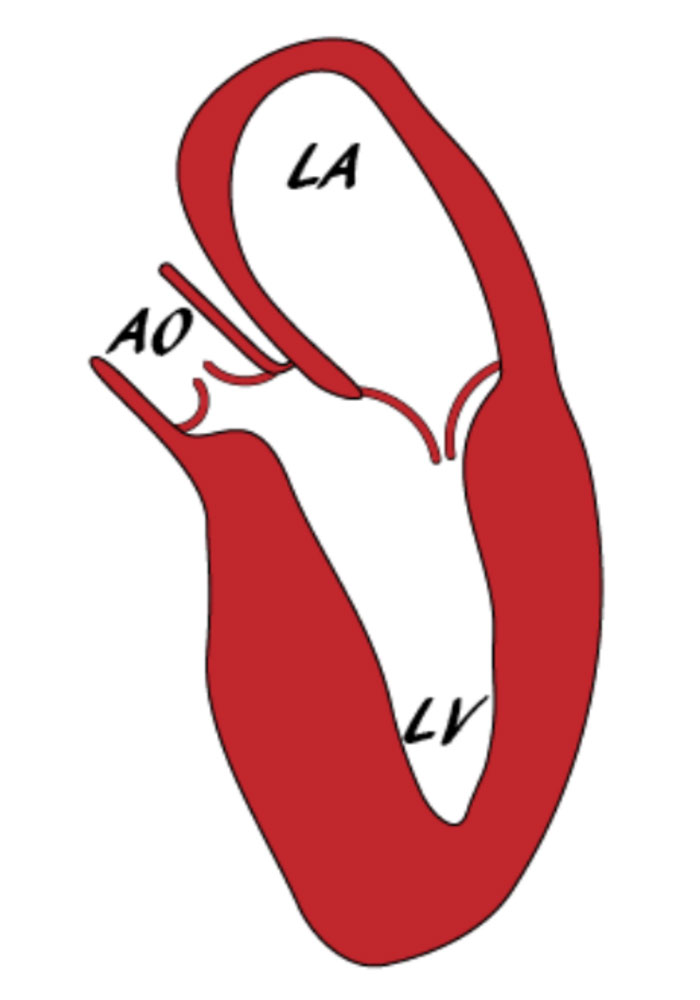
Hypertrophic cardiomyopathy is an increase in left ventricular wall thickness that cannot be explained by the loading conditions of the ventricle.
What causes it?
It is a disease of the cardiac sarcomere, characterised by hypertrophy and disorganisation of cellular architecture.
Is it inherited?
Hypertrophic cardiomyopathy is hereditary, usually with autosomal dominant inheritance. Recessive and sex-linked forms also occur, such as Anderson–Fabry disease.
Hypertrophic Cardiomyopathy and Sudden Death
Hypertrophic cardiomyopathy is the most common cause of sudden death in young people under 30. The absolute annual risk is estimated at 1%.
Unfortunately, most people who die suddenly because of hypertrophic cardiomyopathy had no previous symptoms.
How is it diagnosed?
The main test is an echocardiogram, which shows increased heart wall thickness. Cardiac MRI may also be needed.
Other findings include:
- Abnormalities on the electrocardiogram
- Abnormalities of the mitral apparatus
- Impaired coronary microcirculation
- Myocardial fibrosis with disorganisation of cardiac architecture
What are the symptoms?
The disease may remain symptom-free for a long time. Symptoms usually arise when obstruction of the left ventricular outflow tract develops or worsens. They may include:
- Heart failure symptoms, such as fatigue and breathlessness
- Myocardial ischaemia, such as angina
- Fainting or near-fainting episodes, or sudden cardiac death
How is it treated?
Treatment aims to:
- Relieve symptoms
- Prevent sudden death
Patients should avoid:
- Dehydration
- Excessive alcohol
- Competitive sports
Treatment includes medication, usually non-vasodilating beta-blockers. Significant outflow tract obstruction may require surgical removal of part of the interventricular septum or, when surgical risk is high, catheter ablation using an alcohol solution.
When and why is a defibrillator implanted?
Sudden cardiac death prevention involves implantation of a defibrillator.
The decision is based on the estimated risk of sudden cardiac death using dedicated scores. These consider left ventricular wall thickness, age, outflow tract pressure gradient, recorded non-sustained ventricular tachycardia, left atrial diameter, family history of sudden cardiac death and unexplained fainting.
Decisions according to risk are:
- Above 4%, particularly above 6%: defibrillator implantation is recommended.
- Below 4% with an additional risk factor: the decision is individualised.
- Without any risk factor: the guidelines advise against implantation.
What follow-up is needed?
Some of the factors used to estimate sudden death risk change over time.
Close follow-up with echocardiography and Holter monitoring is needed, usually annually when stable, or more frequently if indicated.
Should my relatives be screened?
First-degree relatives should undergo clinical assessment, an electrocardiogram and an echocardiogram, with repeat screening every 2–5 years.
Children are screened from age ten, every 1–2 years until age 20, then every 2–5 years.
Genetic testing, when needed, is guided by specialist centres and may alter follow-up intervals.
Hypertrophic Cardiomyopathy and Dental Treatment
The guidelines cited here (European Society of Cardiology, 2014) do not recommend routine preventive antibiotic treatment for dental procedures.