
Considering a Cardiac Intervention
If you are reading this, an intervention has probably been recommended as part of your diagnosis or treatment. Such decisions can feel pressing. In cardiology, they are sometimes time-sensitive or even extremely urgent. In most cases, however, there is time to move forward carefully and without unnecessary delay.
How can I find out more?
The first step is an appointment to review your medical records. You will learn about the available options, their expected health benefits and the possible risks. The doctor may request further tests if necessary. You can ask about anything that worries you or that you have not understood about the intervention, and discuss any other concerns.
Before deciding on an intervention, you will understand exactly what it means for you.

Interventions




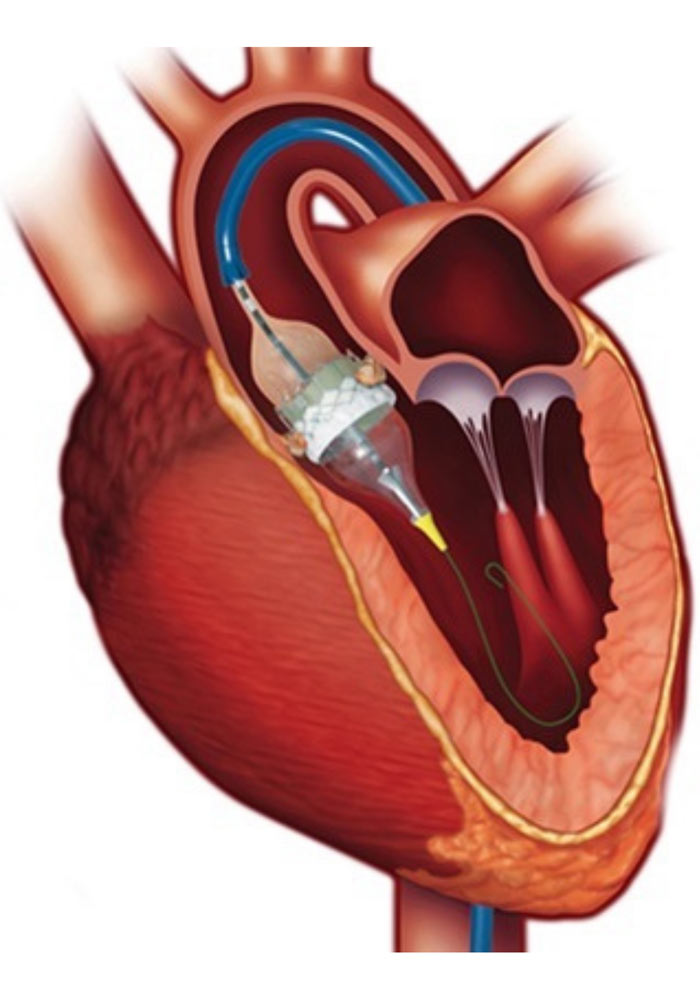
Common Concerns, Answered in Advance
Will it hurt?
No, you will not experience pain during the intervention: modern medicine provides pain relief throughout the procedure. Most interventional cardiology and electrophysiology procedures use local anaesthesia. Some require deep sedation or general anaesthesia. This does not mean you will feel absolutely nothing: there may be minor discomfort from the local anaesthetic or after the intervention. Your doctor will explain what applies in your case.
How long will I stay in hospital?
Most planned cardiac interventions involve a single overnight hospital stay. This does not apply to emergencies or more complex cases.
When can I return to my normal life?
Patients generally return to their normal lives immediately or almost immediately, while following the precautions appropriate to their heart condition.
What are the risks if something goes wrong?
Interventional cardiology and electrophysiology offer minimally invasive alternatives to surgery. This does not remove the risks associated with the intervention or the condition requiring it. The potential risks are always weighed against the expected benefit, which is substantially greater. Complications vary with the type of procedure and the severity of each patient’s disease. Your doctor will explain them in detail.
Recovery: what happens after the intervention?
After the intervention, you return to your normal life with specific, detailed follow-up instructions: when to see your cardiologist again and which tests will be needed and when.
Where is the intervention performed?
Assistant Professor Dimitrios Vrachatis performs interventions at Evgenideio Hospital – University of Athens, in collaboration with the CardioTeam network of cardiologists, directed by Professor Spyros Deftereos. Read more
Arrange Your Assessment
The first step before making a decision.