
Written by Dimitrios Vrachatis, Specialist Cardiologist, PhD, National and Kapodistrian University of Athens.
What is atrial fibrillation?
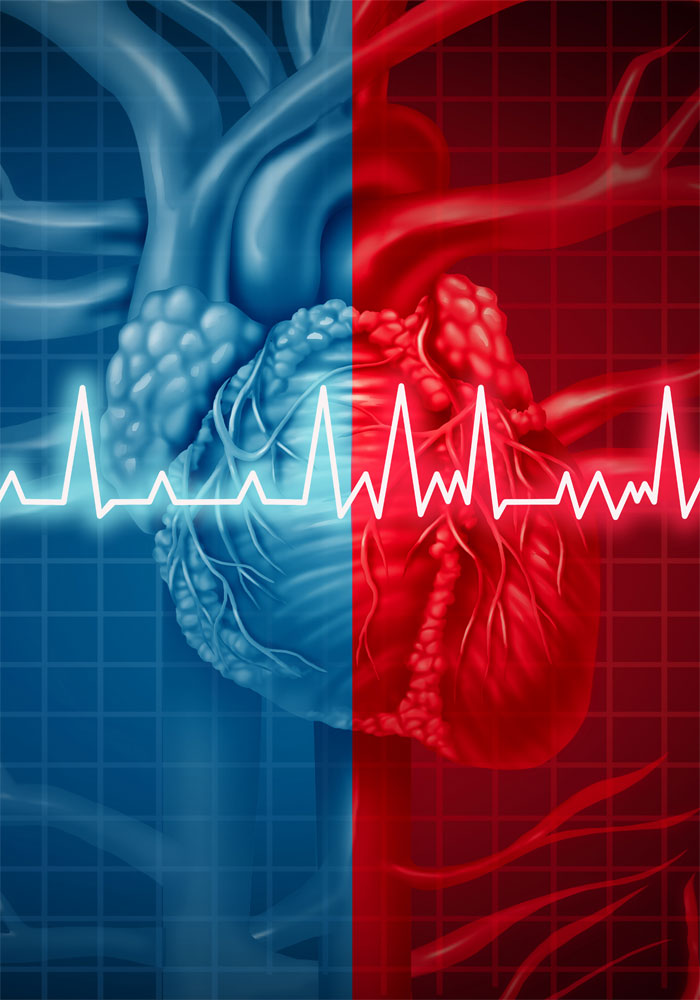
Atrial fibrillation is an arrhythmia of the atria. Their normally organised electrical activity becomes chaotic and irregular, making atrial contraction so ineffective that it is practically lost.
How common is it?
It is the most common arrhythmia in the Western world. Approximately one in three people over 55 is estimated to be at risk, and it has been described as a modern pandemic.
What are its symptoms?
The clinical picture varies greatly, from no symptoms to cardiogenic shock. Severity depends on the individual’s cardiac structure and function. Common symptoms include:
- Palpitations
- Breathlessness
- Chest pain
- Dizziness
- Fatigue
- Fainting
Patients often believe they have no symptoms when they have simply adapted to them. Improvement becomes apparent after treatment. Conversely, some first discover atrial fibrillation during a stroke.
What is life with atrial fibrillation like?
With appropriate medication or intervention, people can live normally.
Some risks remain higher than in people without AF, but following cardiology advice reduces them.
Episodes or periods of poor rate control may occur; patients receive instructions on how to respond. There is no reason for panic, but consistent medical care is needed.
Lifestyle improvement is also a vital treatment: stop smoking, substantially reduce alcohol, include gentle daily exercise and manage weight.
How might I recognise atrial fibrillation?
Feeling the radial pulse at the wrist can help identify an irregular rhythm. If it is not regular, contact your cardiologist for an ECG or Holter recording. The pulse in AF is irregular and can be fast or slow.
How is the diagnosis confirmed?
Confirmation requires recording the arrhythmia on a full 12-lead ECG or a single-lead tracing, such as a Holter recording, lasting more than 30 seconds. Other devices, including smartwatches, can raise strong suspicion but, under the guidance described here, require confirmation by these methods.
What causes it?
The causes are not fully understood. Associations include:
- Age
- Uncontrolled hypertension
- Valve disease, especially mitral stenosis or regurgitation
- Heart failure
- Coronary disease
- Cardiomyopathies, such as dilated or hypertrophic cardiomyopathy
- Chronic lung disease
- Sleep apnoea
- Obesity
- Overactive or underactive thyroid
- Alcohol
What complications can occur?
The most dramatic complications are thromboembolic events, particularly ischaemic stroke, which may cause temporary or permanent disability. AF is estimated to cause 20–30% of all ischaemic strokes. It is also associated with a 1.5–3.5-fold increase in mortality, heart failure in 20–30% of patients, depression and reduced quality of life.
Can atrial fibrillation be cured?
Treatment aims to reduce stroke risk, improve overall prognosis and relieve symptoms. A definitive cure cannot be promised, but modern treatment can improve the condition.
Will I need medication?
Medication has two main aims and a possible third:
- Prevent thromboembolic events, including stroke and systemic embolism. Anticoagulants increase bleeding risk, so they are prescribed when the expected reduction in stroke risk outweighs their risks. The cardiologist uses dedicated risk scores and reassesses them regularly.
- Improve symptoms through rate control. Medicines such as beta-blockers prevent an excessively rapid heartbeat.
- Avoid AF through rhythm control. Whether and how to pursue this is discussed with the cardiologist. Options include ablation, medication or both.
What are rhythm-control and rate-control strategies?
The cardiologist chooses between rhythm control and rate control.
Rhythm control aims to restore normal sinus rhythm, using antiarrhythmic medicines or ablation. Ablation is increasingly used because it is relatively safe and avoids the proarrhythmic side effects of antiarrhythmic medicines.
Rate control mainly uses medicines to slow the heart, reduce symptoms and improve its performance, especially with valve disease or impaired systolic function. The general target is fewer than 110 beats per minute.
The choice has been extensively studied. Maintaining sinus rhythm benefits patients, but medication used to achieve it can carry substantial costs in adverse effects. AF ablation may overcome part of this problem. Decisions reflect individual characteristics and preferences.
Why is early treatment important?
AF promotes further AF: over time it causes electrical and anatomical changes in atrial muscle, making recurrence more likely.
Earlier intervention increases the chance of eliminating or substantially reducing its burden. In some cases, especially in older patients, a conservative rate-control strategy may be preferable. The doctor and patient decide together after discussing benefits and risks.
Neither strategy removes the need for anticoagulation when it is indicated.
What lifestyle changes should I make?
Management must address the whole person, rather than the arrhythmia alone. Treat hypertension, diabetes and sleep apnoea, and address weight, large meals, alcohol, exercise and psychosocial needs through education and support.
When should I seek help?
Symptoms guide the need for care. Newly diagnosed cases always require assessment and treatment. People with established AF usually have instructions for managing episodes. An unusually fast or slow heartbeat needs cardiology assessment. The general treated heart rate target is below 110 beats per minute.
When can cardioversion be performed?
Cardioversion is permitted when:
- Anticoagulation, such as apixaban, rivaroxaban, dabigatran or acenocoumarol, has been taken for at least three weeks.
- This requirement may be waived only if:
- The episode is known with certainty to have started less than 24 hours earlier, or
- Transoesophageal echocardiography excludes a clot in the left heart chambers, or
- AF is causing haemodynamic instability or shock requiring emergency cardioversion.
When is emergency cardioversion needed?
Emergency cardioversion is performed when AF with a rapid ventricular response, combined with underlying cardiac disease such as severe valve disease, causes haemodynamic instability or cardiogenic shock.